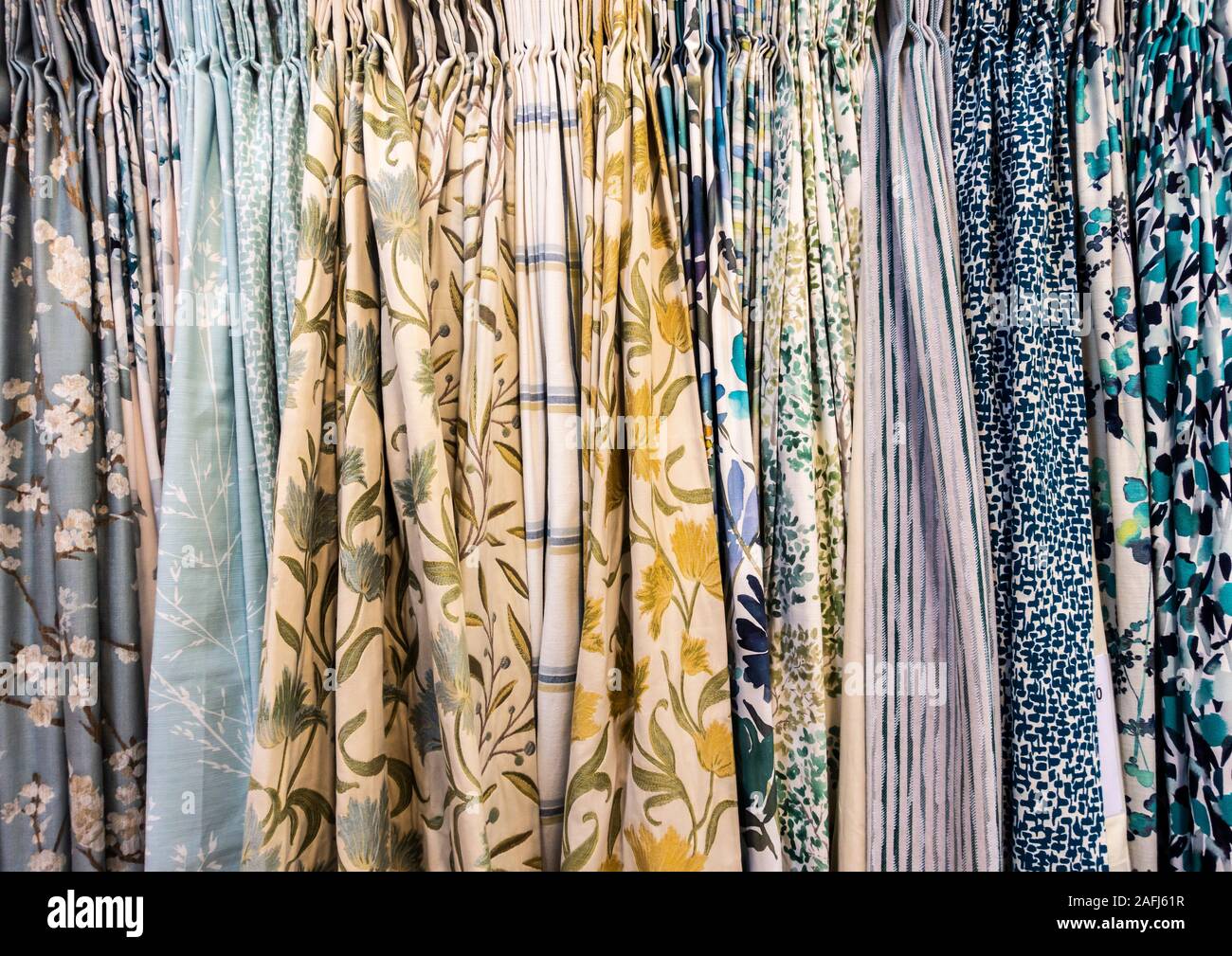
20 Recommended Ways for Choosing Curtain Fabric in Walsall, Birmingham and Lichfield
Local Guide For Curtain & Upholstery Shops In Birmingham And WalsallNavigating the West Midlands' rich tapestry of fabric retailers can transform an easy home sewing project or a professional overhaul into a journey of exploration. This guide goes beyond the generic online listings to delve into the distinctive character, specialisms, and hidden gems of the fabric stores that span the bustling markets of Birmingham to Walsall's practical stores and Lichfield's curated boutiques. Understanding the local landscape is vital, whether you are looking for heavyweight fabric for floor-length curtains or resilient linen blend upholstery fabric for your family sofa. We've outlined 10 key insights that will allow you to make the most of the fabric choices available in the region and ensure that the final product is just as satisfying as it was designed to be.
The Ten Things You Must Be Educated About:
1. The Specialist Geography : Birmingham for Volume & Varieties, Lichfield For Curation, Walsall For Value & Trimmings
Do not assume that every shop provides the same level of service. Birmingham, particularly the famous Rag Market and warehouses with specialized expertise in the Jewellery Quarter, provides unparalleled quantity and affordable "fabric by the metre" prices, and vast range of curtains and upholstery fabrics. Lichfield, on the other hand, has independent fabric stores that focus on carefully selected collections. These include fashionable dress fabrics as in unique upholstery fabrics. Expert, personalised services are also provided. Walsall has a strong heritage in trimmings and leather and its fabric stores frequently excel in offering exceptional value on practical domestics furniture, sturdy furnishings, and all the tapes, threads, and ties necessary for making high-end custom curtains.
2. Beyond "curtain fabrics" The crucial distinction between medium, light and heavyweight furniture.
Local shops are able to classify fabrics beyond "curtain cloth." To make functional curtains to order, it is essential to understand the difference between weight and lining. Birmingham's markets sell lightweight cottons and voiles that make the perfect sun-diffusing, relaxed styles. The medium-weight blends and linens (common in Lichfield's boutiques) offer structure for classic draped styles. Jacquards, velvets, and blackout fabrics (found in warehouses that specialize in upholstery) are for light-blocking, thermal insulation, and formal elegance. Walsall shops with a good knowledge will determine what the goal of the curtain and what it's intended to be used before suggesting suitable fabrics.
3. Martindale Rub test to test "Upholstery Fabric".
Do not use fabric that isn't specifically labelled for furniture. Trustworthy shops in all three locations will readily provide the Martindale rub count for any upholstery fabric. This is a measure of its durability. Residential seating needs a minimum of 15,000 rubs; heavy domestic use is 25,000+ and commercial contracts 45,000+. Birmingham wholesalers may have technical documents. A Lichfield boutique might explain the look of fine but high-score blended wool. This requirement is crucial to guarantee a long-lasting outcome.
4. Many shops have local producers they trust.
The majority of independent fabric stores, especially in Lichfield and Walsall are part of an established network of local artisans. If you purchase fabric by the metre to make curtains, ask if they have recommendations for a local curtain maker. It's a great symbiotic arrangement: You receive an experienced, skilled artisan who understands exactly what the fabric's behavior will be and the fabric maker gets a client with all the relevant information. This can transform a custom-made curtains project from a daunting task into a seamless collaboration.
5. Dress Fabric Versus. Furnishing Fabric: Cross-Over Potential and Pitfalls.
Although Birmingham's Rag Market has aisles dedicated to stunning dress fabrics some can be repurposed for unusual, light curtain designs (think the sheer overlays and cafe curtains). Utilizing standard curtains and upholstery fabrics for clothes is a huge mistake. Furniture fabrics are coated and finished with chemical substances that can be harmful to skin, or are not breathable. Lichfield's specialty shop will clearly define the categories clearly and explain the exceptions.
6. The secret behind "Fabric by Meter" calculation is pattern repetition and railroading.
Fabric measured by a metre does not only mean the size of windows. For fabrics with patterns, the "repeats", in the design, will increase the yardage. In Walsall it is possible to calculate yardage based on the number of repeats but not the width. For wide upholstery projects (like sofas), ask whether the fabric can be "railroaded"--where the pattern is horizontally across the bolt. This can save metres of material and reduce seams, a pro-tip often given by Birmingham's suppliers who are trade-oriented.
7. Birmingham's Secret Trade Counters: The Pro's Source for Upholstery Fabric.
Birmingham is also home to industrial-style wholesalers. These trader-type suppliers are perfect for curtains that are custom-made and upholstered. They may require an account or appointment however they provide thousands of samples and exclusive contracts with major fabric manufacturers. Additionally, they have employees who are highly knowledgeable about technical matters. These are the hidden suppliers of fabric in the region.
8. Lichfield's Finishing Touch Philosophy. Trimmings are the finishing touch.
Lichfield shops are well-known for the quality of their finishing. The choice of trim--a braid or fringe, or the tassel tape can define a pair of custom-made curtains. These stores offer exquisite, and sometimes unique, trims that you won't find in the mass-market. They are aware that a perfectly welting can elevate the best upholstery fabric to the chair.
9. The Walsall's practical Heritage - Your One-Stop Shop for durable domestics and Leather
Walsall is renowned for its industrial roots. The fabric shops of Walsall provide a variety of upholstery fabric that is tough and suitable for families. Furthermore, its legacy as a city that works with leather makes it possible to find shops that offer genuine leather as well as high-quality faux leather upholstery fabrics per metre, often with lower prices than other generalist shops.
10. The Consultation Ritual: Bringing Your Personal Worldview to the Sample.
Consultation is by far the most beneficial service a local shop can provide. Bring measurements and photos of the room to all shops, whether they are located in Birmingham, Walsall, Lichfield or Walsall. The right retailer is willing to spend time in your home under different lighting and explain how your drape is going to fall. Large samples may be available. This ritual transforms "fabric by metre" from an abstract idea into a confident vision for your custom-designed curtains or reupholstered chairs. It ties your idea by leveraging the experience of the local landscape. Have a look at the recommended fabric shops in Birmingham for more tips including curtain window curtain, curtain fabric, window blinds curtains, blinds in curtains, fabric blinds, blinds in curtains, curtain house, blinds made to measure, custom window blinds, house curtains and more.
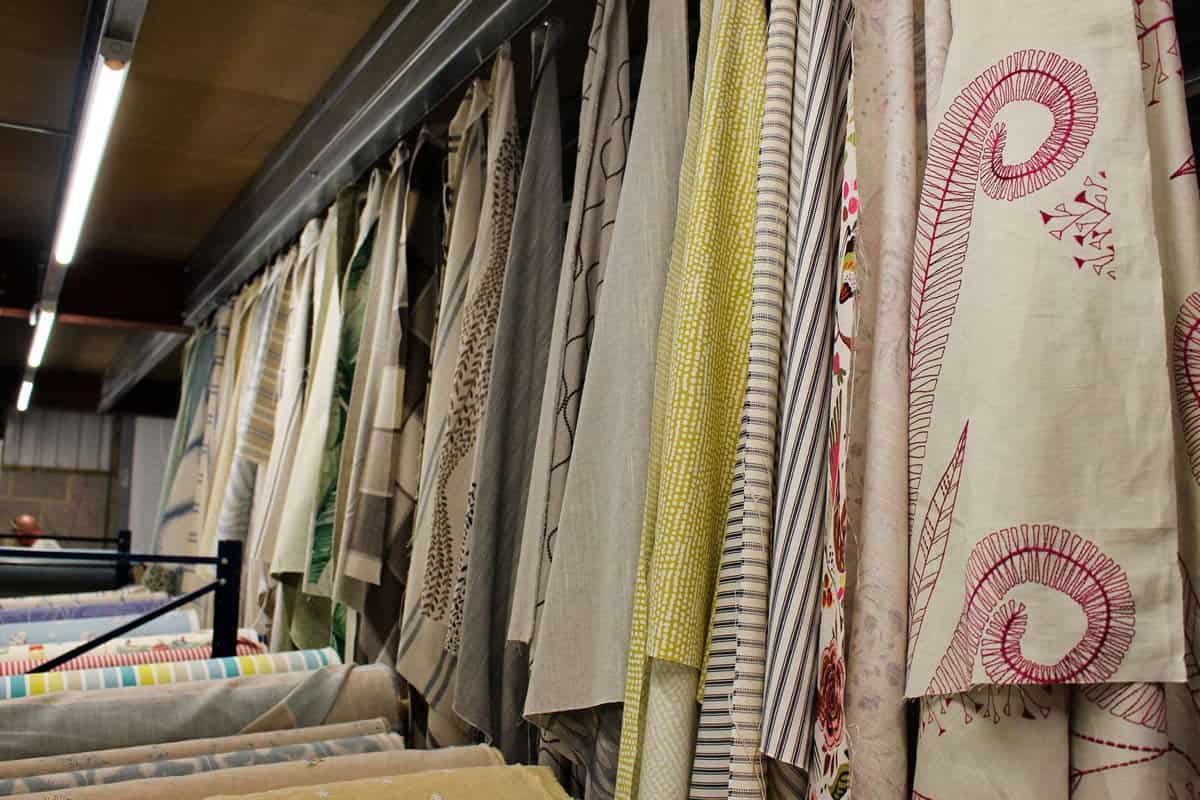
Curtain Fabric 101. Essential Questions To Ask Fabric Shoppers Shop
The fabric stores is a sensory experience, whether you're in the bustling Birmingham market hall or a functional Walsall home store, or an expertly curated Lichfield shop. The difference between leaving with the ideal fabric for your custom-made curtains and leaving with a costly mistake often copyrights not on what you can see and feel, but on the questions you inquire about. Generic questions often yield generic responses that aren't helpful. This guide will provide you with ten essential technical questions to turn your experience from a passive browse to a conversation. These questions were developed to cut right through the sales jargon, to reveal the true nature of cloth, and draw on the expertise of different shops.
Top 10 Things You Need to Learn About:
1. What is the fabric's fiber content and specific weave?
Do not settle on "it's linen-look" or "cotton blend." Always ask for more details. Are they 100% flax linen, a linen-viscose mix (softer more pliable, less wrinkled) or a polyester printed with the linen effect? The name of the weave--twill, damask or sateen--tells you about its structure, durability, as well as light reflection. A Birmingham trade counter will know this immediately by looking at the roll's tickets. In Lichfield the personnel might be able to explain the Belgian linen union's heritage. These data are fundamental, in determining drape, care, durability, and much more than just colour.
2. "What is the fabric width and can it be "railroaded" to suit my particular project?"
A critical mistake is to think that all curtain fabric measures 137cm. Certain dress fabrics measure 115cm while others are 150cm. The width of the fabric can affect the metreage planning and seam planning. In the next step, you should inquire about "railroading"--can the pattern be run across the bolt horizontally? If your windows are big it is possible to create seamless curtains by cutting the length of the curtain off the fabric width. The question is not frequently asked in Walsall, but Birmingham contract suppliers can answer fast for large windows or commercial projects.
3. "What is the repeat pattern, and is it straight or dropped?"
This question will separate the casual from the serious. The repeat of a pattern (e.g. 24-cm) is to be considered in calculating the yardage. The most important thing to know is whether the match is "straight", "dropped" or both. A straight (or half) drop match alternates panels that are similar to bricks. It needs more material in order to ensure the panels match seamlessly. This should be demonstrated by a shop assistant in Lichfield using an iron. You can buy 20% less material than what is needed for patterned custom-made drapes, if this question is not addressed.
4. What is the best way to see your sample in my light for day?
Fabrics are characterized by their colour changes under different lighting sources. A gold under shop fluorescents could turn yellow in the daylight, while grays can appear blue. The shop should have a large enough piece to offer (at the minimum A4 size). Be wary of shops that will not to give a large sample or give the customer a swatch of postage stamp. This test is mandatory for custom-made drapes as an investment of significant value is dependent on the colour accuracy.
5. "Is this fabric suitable for my intended use such as heavy-duty domestic, light-use, or contract?"
This will help frame your needs using industry-specific terms. "Heavy Domestic" means the product can withstand everyday use in a family space. "Contract" grade (found in Birmingham warehouses) is extremely durable and is often rated with particular fire ratings for public areas. It is a way to show the seller how well you know performance criteria by asking. This also stops them from suggesting delicate patio door fabrics or light voiles that are a typical mistake in fabric shops.
6. What is the best cleaning method and what changes could happen to the fabric when cleaning?
A lazy answer is "dry only". Press for detail. Is it possible to steam clean at the site? Can water-spots be observed? Also, you should inquire about the fabric's age. Will linen soften beautifully? Will the colors in the cotton print fade after the first wash? Will a sateen finish lose its sheen? An expert from Lichfield might discuss the patina natural fibres develop, while a Walsall retailer might highlight the practicality of wipe clean coatings.
7. Do you have a supply of interlinings and linings compatible with each other?
Face fabric consists of one layer. The best shops look at the entire project. This test will assess the technical expertise of the shop, and shows if it is a one-stop shop. They can provide you with advice regarding a cotton sateen lining for natural fibers, blackout linings in bedrooms, and the ideal weight for bump (synthetic), or domette(cotton) interlinings that give your product body. Birmingham's trade shop has many options. Walsall might be the only reliable option; Lichfield may have premium alternatives.
8. "Do you collaborate with, or can you recommend local producers for curtains that are custom-made to order?"
This is the key to unlocking the ecosystem of your local. It is worth asking, even if you're an DIY. If a store has a long-term partnership with several curtain makers who are skilled, they will invest in making sure they succeed. The shop will not attempt to sell fabrics that aren't appropriate for your project. They might know of a fabric shop located in Birmingham; in Lichfield they might be able to suggest an artisan on a small scale, who is meticulous. In Walsall there is a service that is focused on the value. This network could be a huge asset for a fabric shop.
9. "What is the fabric's light filtration and UV stability of this fabric?"
Don't stop with "is it thin?" Find out how it affects light. Does it block out light, create an ambiance, or create diffuse glare? Also, it is important to inquire questions about UV stability. The sun's UV rays can harm fibres and alter colors. Certain fabrics are equipped with UV inhibitors. For windows facing south, the answer to this question is essential. The technical information will be accessible from an Birmingham supplier of hospitality projects. Answering this question will help you make a decision on your lining fabric and help inform you of your expectations regarding what it will look like in five years.
10. Are you able to provide information on your policies regarding the sale of finished products and whether or not you keep any of the cuttings?
This question will protect you. After fabric is cut by the meter, it's generally a final sale. Make sure you confirm. Find out if the store has an "cuttings folder"--a small piece of fabric with your batch numbers/product code as well as your name. You will need this in the event that you need to create a cushion for your child or fix the damage. A well-organized shop, such as one in Lichfield of Birmingham, will offer the service. They would like to be your companion to ensure your success for the long haul and aren't just a place to purchase.